
Get Backflow Preventer Installation in Denver County, CO
Backflow preventer installation services for Denver County and nearby areas help property owners prevent water contamination and ensure compliance through expert device setup and testing.
Backflow preventer installation services are essential for property owners seeking to protect their water supply from potential contamination. In Denver County, CO, where the water system is vital for daily living, installing a backflow preventer helps ensure that pollutants or harmful substances do not flow back into the clean water lines. This work enhances safety and peace of mind, reducing the risk of waterborne illnesses and maintaining the integrity of the municipal water system.
Beyond safety, many property owners pursue backflow preventer installation to improve the overall functionality and durability of their plumbing systems. Properly installed devices can lead to reduced maintenance needs over time, minimizing disruptions and costs. Additionally, a well-maintained backflow preventer can contribute to the property's curb appeal by supporting a reliable and efficient plumbing setup, which is especially valued in Denver’s residential and commercial properties.
- Backflow Preventer Installation - homeowners in Denver County and nearby areas may need backflow preventers to protect their drinking water from contamination.
- Commercial properties in Colorado Springs and surrounding regions might require backflow preventers to comply with local safety regulations.
- Residential buildings in Aurora and nearby communities could need backflow preventer services to prevent water backflow issues.
- Industrial facilities in Fort Collins and neighboring areas may seek backflow preventer installation to ensure water system integrity.
- Property managers in Boulder and adjacent locations often contact professionals for backflow preventer testing and installation.
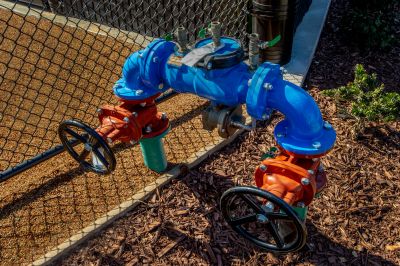
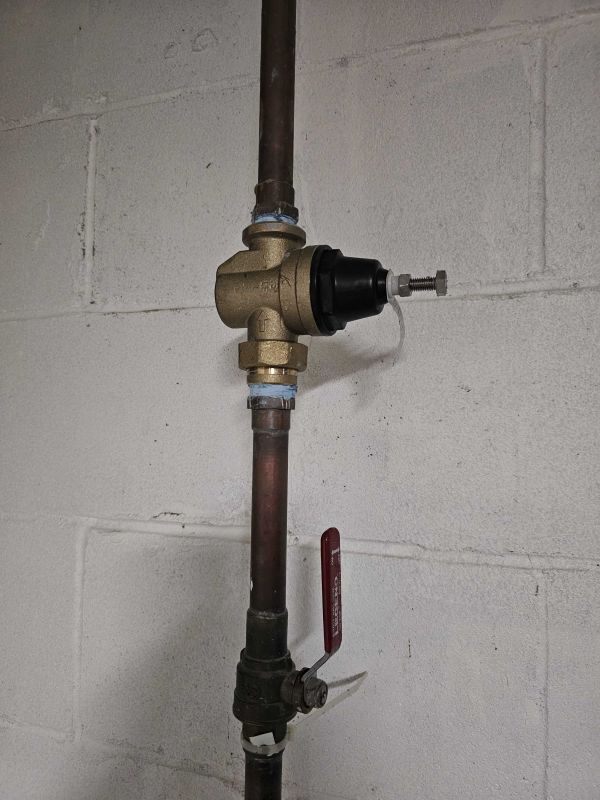
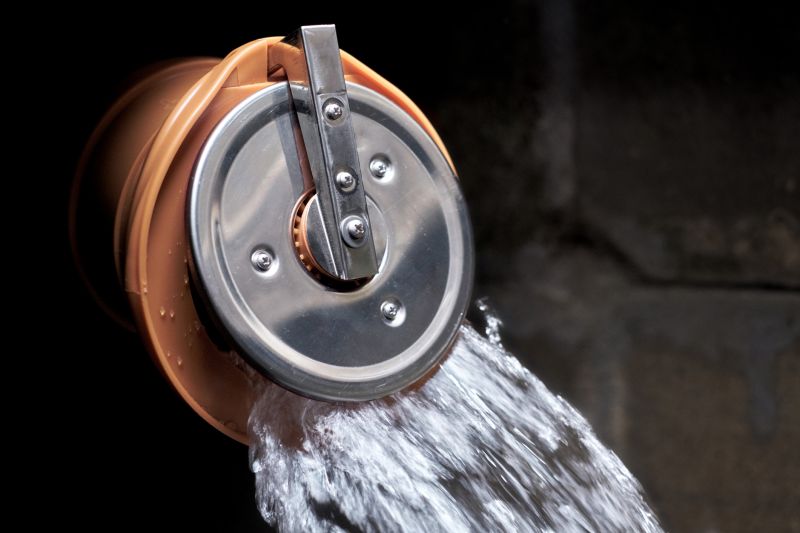
Backflow preventer installation services involve the setup of devices designed to protect potable water supplies from contamination caused by reverse flow. These devices are typically installed at points where water lines connect to irrigation systems, fire suppression systems, or other auxiliary water sources. The process ensures that non-potable water or pollutants do not flow back into the main water supply, maintaining water quality and safety for property occupants. Proper installation requires careful placement and connection to ensure the device functions correctly and complies with local plumbing codes.
This service helps address common issues related to backflow, such as cross-contamination and water pollution. Without a backflow preventer, there is a risk that fertilizers, pesticides, or other contaminants from irrigation systems could flow back into the drinking water supply. Additionally, backflow can occur due to pressure changes within the water system, potentially causing contaminated water to enter the main supply. Installing a backflow preventer effectively mitigates these risks, safeguarding public health and ensuring the integrity of the water system.
Properties that typically utilize backflow preventer installation include residential homes, commercial buildings, industrial facilities, and institutional properties. Residential properties often require these devices for irrigation systems or private wells to prevent backyard fertilizers or pool chemicals from entering the municipal water supply. Commercial and industrial properties, such as restaurants, factories, or office complexes, may need backflow preventers to meet health and safety regulations and to protect their water systems from potential contamination sources.
Local service providers specializing in backflow preventer installation offer expertise tailored to the specific needs of different property types. They assess the property’s water system, determine the appropriate device type, and ensure proper installation according to local standards. Regular testing and maintenance services may also be recommended to ensure the preventer continues to operate effectively over time. Contacting experienced professionals can help property owners maintain a safe and compliant water supply system.
The overview below groups typical Backflow Preventer Installation projects into broad ranges so you can see how smaller, mid-sized, and larger jobs often compare in Denver County, CO.
In many markets, a large share of routine jobs stays in the lower and middle ranges, while only a smaller percentage of projects moves into the highest bands when the work is more complex or site conditions are harder than average.
Installation Costs - The cost for installing a backflow preventer typically ranges from $300 to $1,000, depending on the system size and complexity. For example, a basic residential unit may cost around $350, while more advanced models can reach $900 or more.
Material Expenses - The price of backflow preventer materials varies from $50 to $400. Simple models are usually on the lower end, whereas specialized or commercial-grade units tend to be more expensive.
Labor Charges - Labor costs for installation usually fall between $150 and $500, influenced by local rates and job difficulty. Some projects may require additional work, increasing overall labor expenses.
Additional Fees - Permitting and inspection fees can add $50 to $200 to the total cost. These fees depend on local regulations and whether inspections are required after installation.
Actual totals will depend on details like access to the work area, the scope of the project, and the materials selected, so use these as general starting points rather than exact figures.
Backflow Preventer Installation services are essential for protecting potable water supplies from contamination caused by backflow issues. Local pros can assess plumbing systems and install or replace backflow preventers to ensure compliance and safety.
Commercial Backflow Preventer Setup involves installing backflow preventers in business water systems to prevent cross-contamination, often required by local codes and regulations. Professionals can tailor solutions to the specific needs of commercial properties.
Residential Backflow Prevention services focus on installing devices that safeguard home water supplies from backflow hazards, helping homeowners maintain safe drinking water and meet local standards.
Backflow Device Testing and Certification is performed by local experts to ensure existing preventers function properly and meet regulatory requirements, reducing the risk of water contamination.
Emergency Backflow Repair services address urgent issues with backflow preventers that may cause water safety concerns or system failures, with local pros providing prompt assistance.
Preventive Backflow Device Maintenance includes routine inspections and upkeep to maintain the effectiveness of backflow preventers, helping to prevent costly repairs and ensure ongoing compliance.
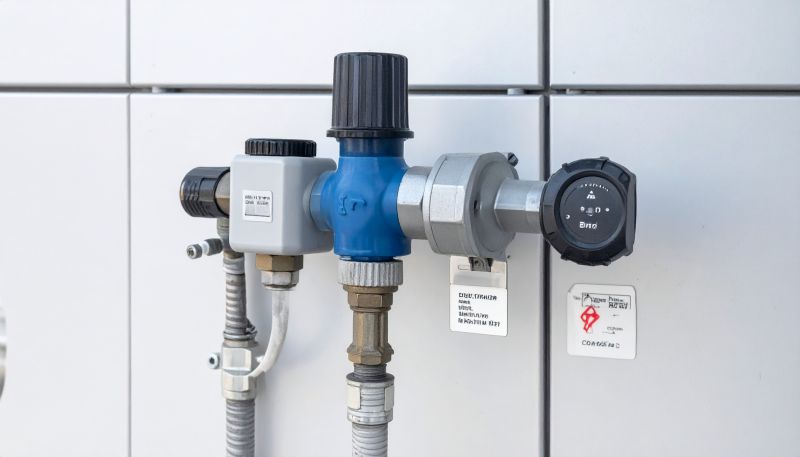
When selecting a professional for backflow preventer installation, it is important to consider their experience with similar projects in the local area. Homeowners should inquire about how long the contractor has been performing backflow preventer installations and whether they have handled projects comparable in scope and complexity. Experienced service providers are more likely to understand local plumbing codes and best practices, contributing to a smoother installation process and reliable results.
Clear communication and well-defined expectations are vital when working with a professional. Homeowners should seek out contractors who provide detailed information about the installation process, materials used, and any necessary preparations or follow-up. Establishing open lines of communication ensures that questions are addressed promptly and that the project aligns with the homeowner’s needs and standards.
Reputable references and a history of trustworthy service can help identify reliable local pros. Homeowners are encouraged to ask for references or testimonials from previous clients to gain insight into the contractor’s work quality and professionalism. Additionally, researching online reviews or seeking recommendations from neighbors can help verify a contractor’s reputation. Since this resource introduces local options rather than performing the work itself, contacting multiple providers to compare their experience, communication style, and references can assist in making an informed decision.
Property owners in Denver County, CO use Backflow Preventer Installation services for practical projects around their homes and businesses. The sections below highlight everyday jobs and straightforward project options.
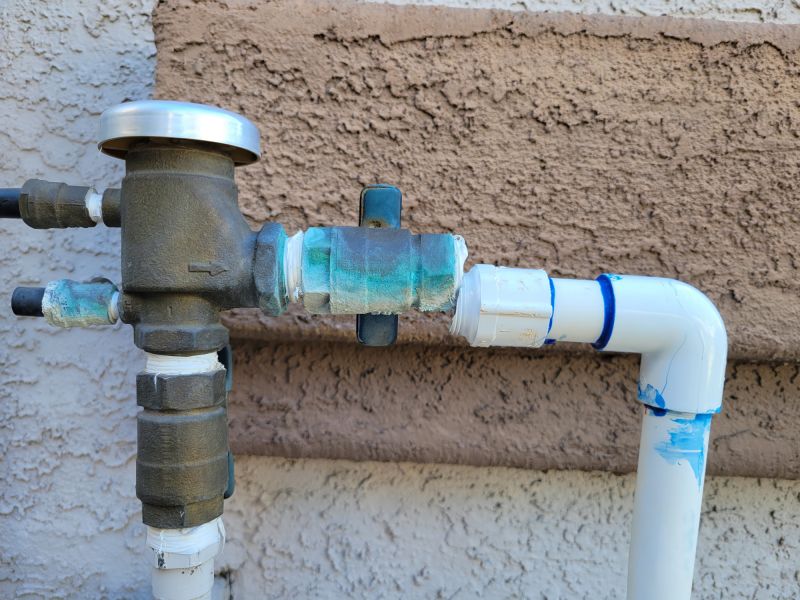
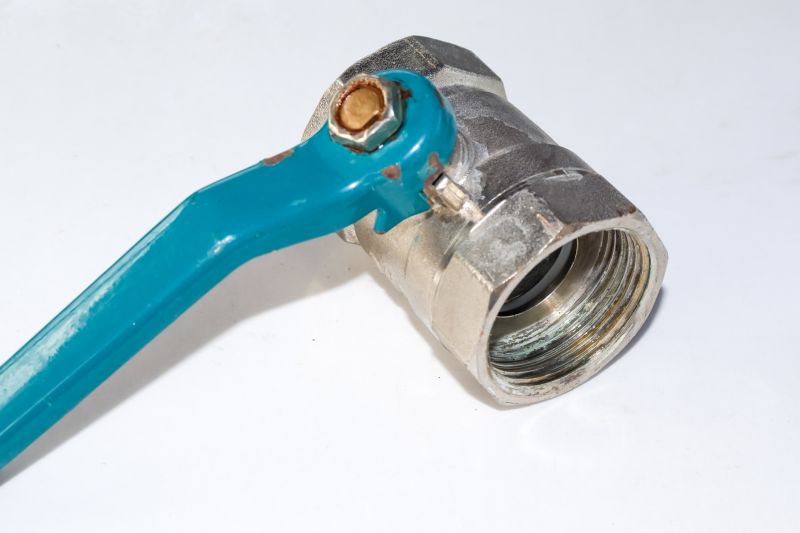
Backflow preventer installation services are often sought after by property owners in Denver County, CO, who want to ensure their drinking water remains free from contamination. These installations are commonly needed when new irrigation systems are added to residential or commercial properties, or during plumbing upgrades that require safeguarding the water supply. Property owners may also look for local professionals to replace aging or malfunctioning backflow preventers to maintain compliance with local health and safety regulations.
In addition, property owners might consider backflow preventer installation services when experiencing issues with existing plumbing systems or after repairs that impact water safety. Regular testing and maintenance, including installing new preventers, can help prevent potential water flow problems and protect the community’s water quality. Local service providers can assist with the installation process, ensuring the system functions correctly and adheres to local standards.
What is a backflow preventer? A backflow preventer is a device installed to prevent contaminated water from flowing back into the clean water supply. It helps protect drinking water from potential pollutants.
Why is backflow preventer installation important? Installing a backflow preventer helps ensure the safety of the water supply by preventing backflow contamination, which can occur due to pressure changes or plumbing issues.
Who should install a backflow preventer? A qualified plumbing professional or service provider with experience in backflow prevention can properly install a backflow preventer to ensure it functions correctly.
How long does backflow preventer installation typically take? The installation process usually takes a few hours, depending on the system's complexity and the location of the existing plumbing.
How can I find local pros for backflow preventer installation? To connect with experienced local service providers, consider reaching out to plumbing specialists in your area who offer backflow preventer installation services.
Backflow Preventer Installation Services - Local plumbing professionals can assist with the installation of backflow preventers to protect water supplies.
Expert Backflow Prevention Setup - Skilled contractors offer reliable installation services to ensure proper functioning and compliance.
Backflow Device Installation Solutions - Contact local pros for professional installation of backflow prevention devices tailored to property needs.
Backflow Prevention System Installation - Qualified service providers can install backflow preventers to help maintain safe and clean water systems.
Considering Backflow Preventer Installation for a property in Denver County, CO? The sections above highlight common project types, practical options, and details that often shape the scope of work.
When you are ready, use the quote form to share a few details about your project. Local pros can review the basics and respond with options that match what you have in mind.